Information for assessing your meter cupboard
- Photo of the meter cupboard for the installer, without opening components
- Available details of the current connection
- Previous changes to the distribution board
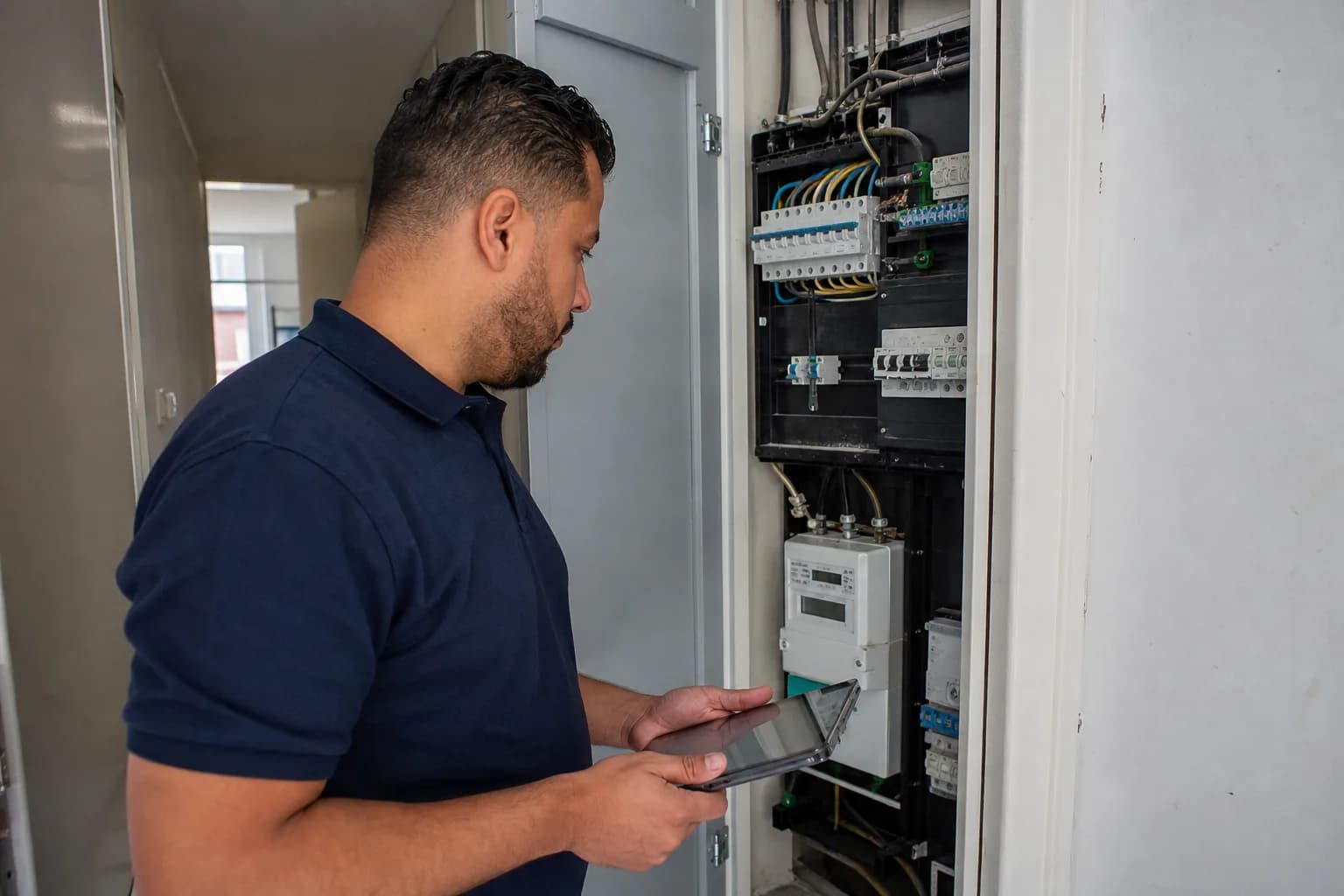
Thuisaccu installatie
What do you arrange before installation? Here is what your installer checks during the survey: meter cupboard, space, indoor or outdoor. With practical examples by property type.
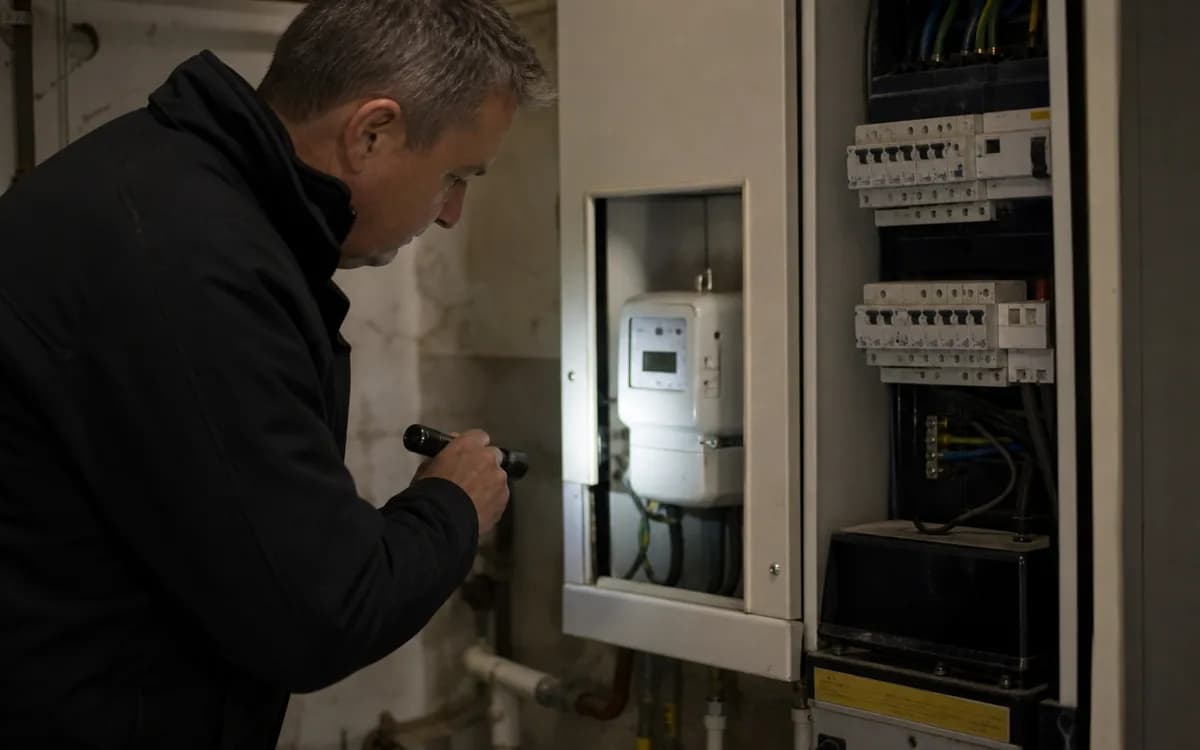
At the survey, discuss the meter cupboard, preferred mounting location and existing setup. Ask the installer to assess the cable route and requirements of the chosen system. Ask what the visit will cover and document.
Ask how much time to set aside. Provide access to the meter cupboard and preferred mounting location. Have any installation details and questions about access, parking or the homeowners' association ready.
Ask the installer to assess your meter cupboard and connection for the chosen system. Ask which changes are proposed and why. The age of the home or cupboard alone does not provide a complete assessment.
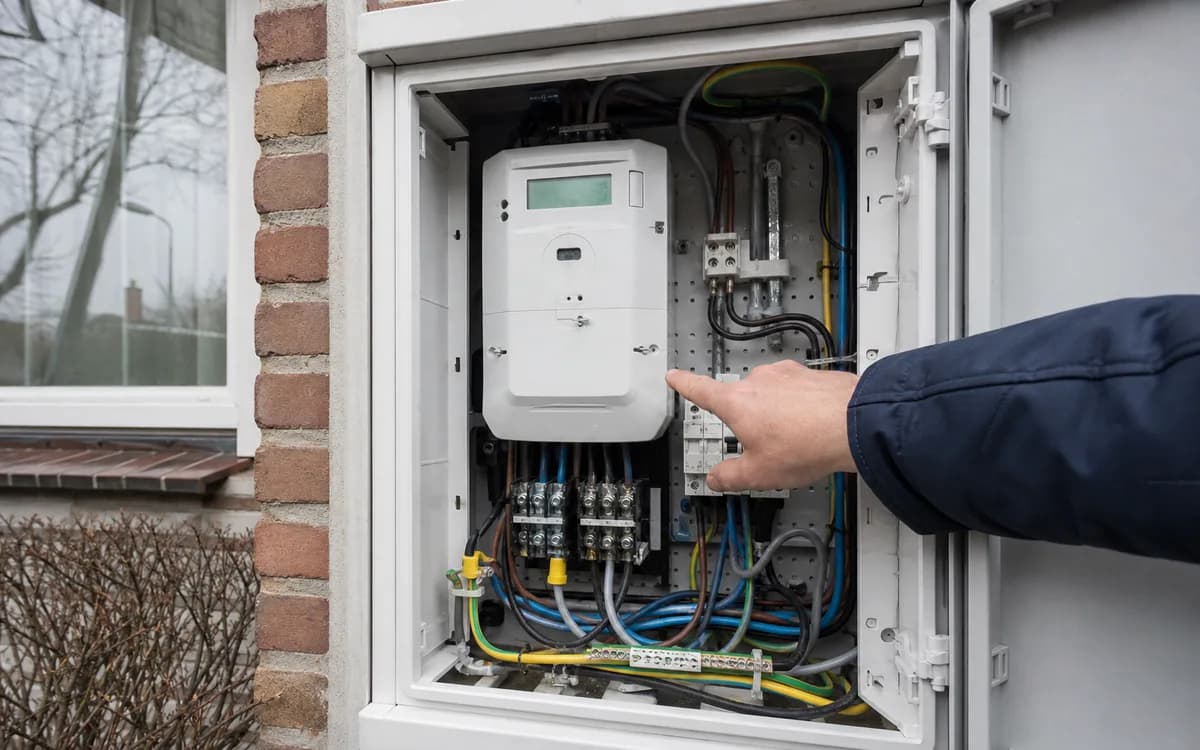
After the survey, discuss meter cupboard work, scheduling and any power interruption. Ask whether an extension, replacement or other change is proposed and include it in the agreements.
Required clearance and mounting arrangements vary by model. Ask the installer to check the manufacturer's requirements for ventilation, load-bearing capacity, temperature and access. Do not approve a location yourself using a general clearance measurement.
Choose one or more locations to discuss. Note the positions of the meter cupboard and inverter and the available passages. The installer can then assess which location and cable route suit the system.
Required clearance and mounting arrangements vary by model. Ask the installer to check the manufacturer's requirements for ventilation, load-bearing capacity, temperature and access. Do not approve a location yourself using a general clearance measurement.
Choose one or more locations to discuss. Note the positions of the meter cupboard and inverter and the available passages. The installer can then assess which location and cable route suit the system.
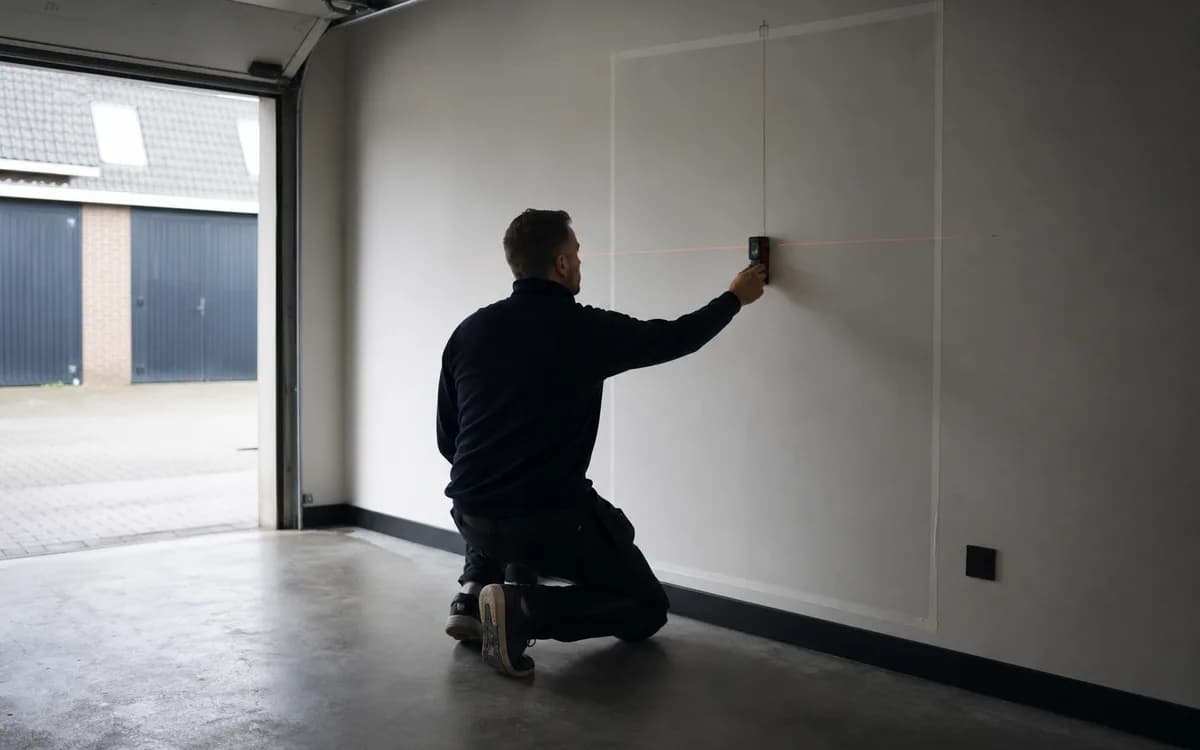
Have indoor or outdoor placement assessed for the specific model and intended location. Ask which requirements the manufacturer sets and how the installer checks them on site.
Confirm the mounting location after it has been assessed. Discuss the floor or wall, weather exposure, access and cable route. Include any changes to the chosen location in the work agreements.
Use these points to prepare for your own situation. Property type alone does not determine whether a battery is suitable; discuss the actual space and connection at the survey.
Discuss narrow passages, access to the meter cupboard and any shared route past neighbours. Have the preferred mounting location assessed and agree space for the van and materials.
Discuss the distance between the meter cupboard, inverter and preferred mounting location. For a garage or outbuilding, include the full cable route in the survey.
Discuss shared spaces, access to the meter cupboard and the preferred mounting location. Check with the homeowners' association or landlord which agreements and any permission are needed before scheduling work.

Request a free consultation to discuss your situation and the installation process.